Rumba: Dance of Resistance
Last week, we told you how son, the "mother of salsa" got polished to get into Havana's ballrooms. Rumba, the "father of salsa", wasn't invited. It stayed - loud, sexual - and survived because people refused to let it go quiet.
Before Rumba, the Cabildos (16th Century Onward)
In the colonial era, Spanish authorities allowed enslaved Africans to form cabildos: mutual-aid brotherhoods organized by ethnic origin. Cabildos, intended for control, instead became became the place where African music, language, and religion kept surviving.
Freedom, and a Flood Into the Cities (1886 Onward)
When Cuba abolished slavery in 1886, free Black Cubans moved into Havana and Matanzas by the thousands, into crowded courtyard tenements called solares. That's where rumba, as we know it today, originated.

One Courtyard, Three Rumbas
Rumba has three styles: (1) Yambú: known as "old people's rumba", the oldest and slowest one. (2) Columbia: fast, competitive, danced by men in solo. (3) Guaguancó: the one most dancers default to, a playful dance of pursuit, built around the pelvic thrust called "vacunao".
Too Loud to Ignore (1925)
Cuba's elite couldn't accept the dance, so, in 1925, president Machado announced the ban of public "bodily contortions" and drums "of African nature". But rumba didn't stop; it took refuge in the solares.
Carnival as a Loophole
Comparsas, groups performing in the street parades of carnival season, gave rumba's rhythms a legal way to stay in public, year after year. Rumba, as is in its spirit, stayed loud and visible, even under a ban.
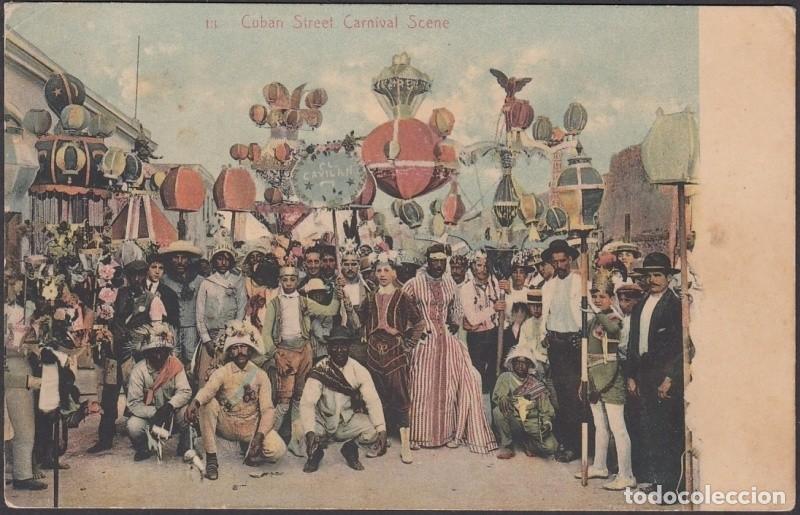
Rumba as a Dance of Resistance
Cuban historians describe it this way too: while there were no banner-filled protests, Afro-Cubans showed a refusal to let their culture disappear on command. Every solar party that kept going after 1925 was its own quiet act of defiance.
Rehabilitated, Then Celebrated (1959–2016)
After the revolution, Cuba's government suddenly held rumba up as authentic, working-class, Afro-Cuban heritage. From a century shutting it down, rumba was now seen as something to be celebrated. In 2016, UNESCO officially declared rumba as an Intangible Cultural Heritage of Humanity.

Is there a piece of "banned" culture from your own country that ended up becoming a source of pride?
Tell us in the comments!