Danzón, cha-cha-chá: The Family Tree of Casino
Casino isn't Cuba's national dance; danzón is. And yet, we rarely learn about it in our Cuban salsa journey. Let's change that: what's danzón, what's cha-cha-chá, and how did all of this influence Cuban salsa?
It Starts Outside of Cuba (1791)
European contredanse arrived in Cuba through several routes. The Haitian Revolution in 1791 brought waves of French colonists and enslaved people from Saint-Domingue, strengthening these influences. In Cuba, European dance forms met African and Afro-Cuban rhythms, including the cinquillo. Bit by bit, the Cuban contradanza morphed into something new.

The Creation of Danzón (1879)
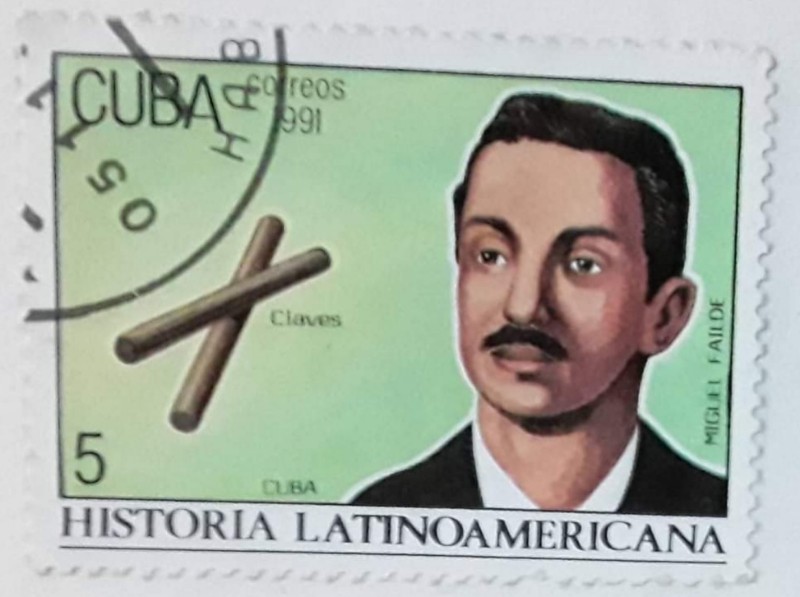
On January 1st 1879, Miguel Faílde premiered his "Las Alturas de Simpson" at an elite club. This is popularly seen as the start of danzón. Today, danzón is Cuba's national dance, even though, at the time, "polite society" found it borderline indecent. Sound familiar? (See: our son story)
Let's Speed it Up (1938 onwards)
Musicians started experimenting with faster, more syncopated versions of danzón, increasingly incorporating son into the mix. In 1938, Orestes López released a song called "Mambo". And so, danzón-mambo was created: the direct ancestor of both the internationally-renowned mambo and of cha-cha-chá.
Everyone Loved It, No One Could Dance To It
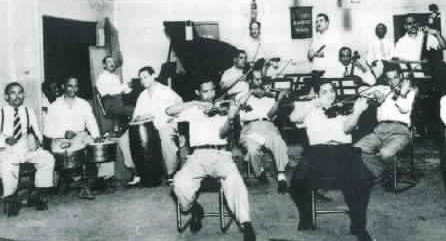
Danzón-mambo is fun to listen to, but very hard to dance to. Violinist Enrique Jorrín looked at the dancefloor chaos and decided to create more danceable compositions, with less syncopation, which landed hard and clear on the downbeat.

Cha-Cha-Chá Names Itself (Early 1950s Onwards)
The name cha-cha-chá is in fact an onomatopoeia: it comes from the sound the dancers shoes made when following this new music. Cha-cha-chá became extremely popular, quickly spreading to Mexico, the US, Western Europe, just as mambo had.
Are These Dances Still Alive in Cuba?
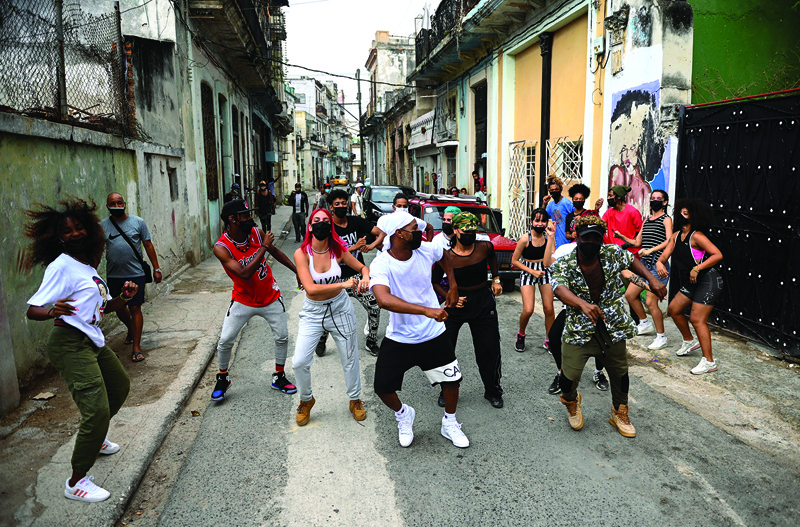
Not in the way casino is. Still Cuba's national dance, danzón has a bit of the "grandparents" association. Cuban youth prefer dancing to timba or reggaeton. Cha-cha-chá didn't die, but it's not really living: its vocabulary was absorbed by other Cuban dances. You don't see cha-cha-chá danced socially for an entire night as you do with casino.
The Connection with Cuban Salsa
Your contratiempo timing, your closed-hold connection, the quick-quick-slow step, even the moves: all these come from danzón and/or cha-cha-chá. Even rueda traces its lineage back to cha-cha-chá danced in a circle! Rumba and son may be the parents of Cuban salsa, but danzón and cha-cha-chá are also part of the family tree.
Are there other dances in the Cuban family tree you'd like us to cover?
Tell us in the comments!