Son: The Dance That Crossed Cuba's Class Divide
Son was born in Cuba's poorest neighborhoods. By the 1930s, it was playing in Havana's most exclusive ballrooms. How did that happen?
It Starts in the East (Late 1800s)
Son took shape in the rural Oriente province, blending African clave with Spanish guitar. It started in small groups, requiring no stages or formal training.
Son Arrives in Havana (1909 onward)
Son reached Havana through Black working-class neighborhoods, where rumba was already established. At first underground, son's sound soon started spreading across the city.

The Whitening Project (Early 1900s)
At the time, Cuba's elites were actively trying to build a European-like national identity. For them, modernity was in Paris and Madrid, not the Cuban countryside. Son was exactly the kind of thing they were trying to leave behind.
The Elites Want In (1920s–1930s)
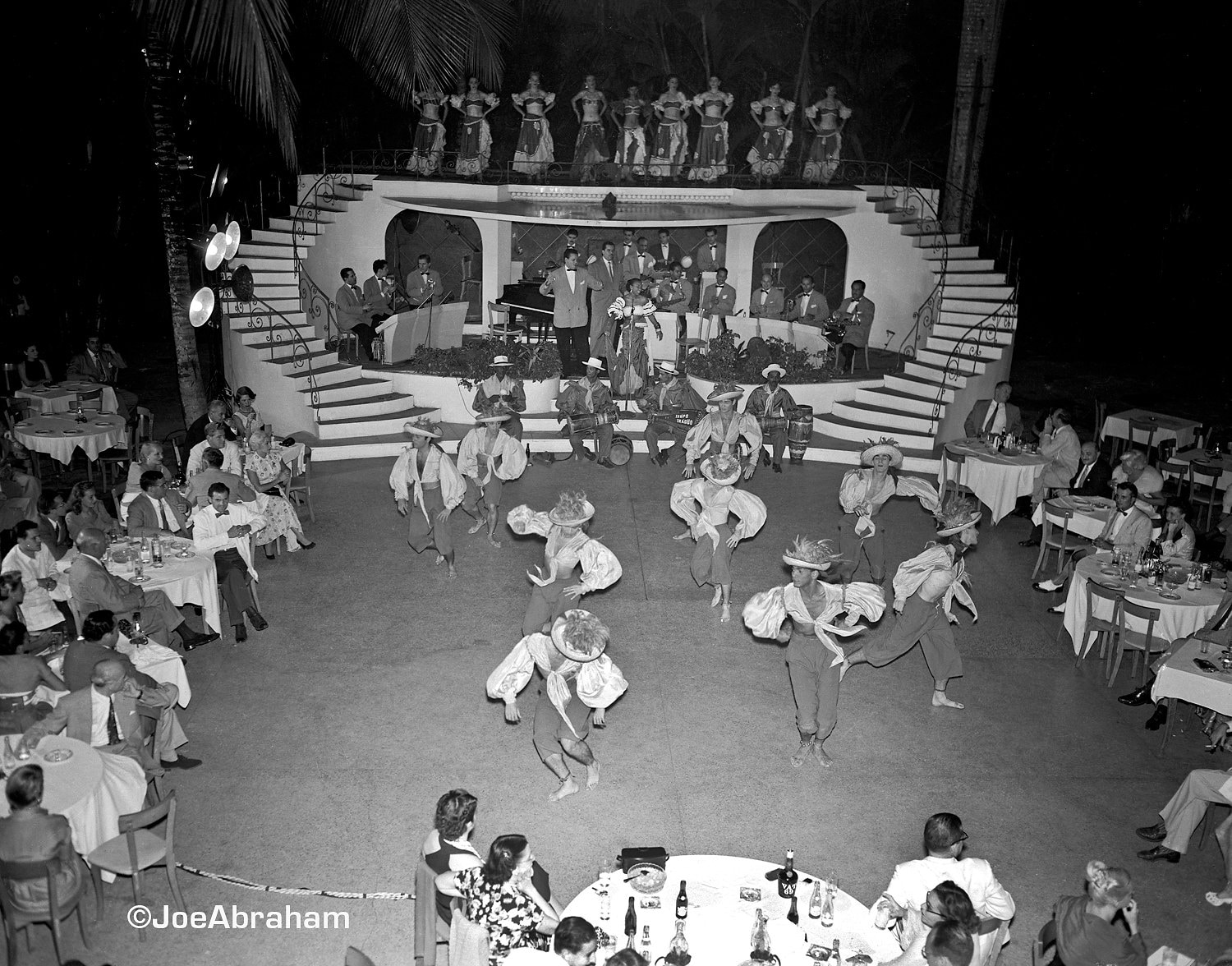
Somehow, son climbed anyways, from working-class to middle-class...and all the way to Havana's ballrooms. Admission had a price, though: the sexuality got smoothed out and any street-level looseness was edited down to something a señora wouldn't object to.

Son as the Yin to Rumba's Yang
Rumba stayed grounded, close, sexually charged; think of the vacunao, the improvised game of pursuit. Son, as it entered elite ballrooms, became upright, measured, controlled, partners at a correct distance.
Danzón Had Fought This Fight First (1879 Onward)
Danzón, born in Matanzas, close-embrace and hip-heavy, also went through the same process. From something 'obscene' it was tamed into the dance of Cuban high society: slow, formal, European in posture. When son displaced it, it inherited the same social pressure: make yourself acceptable or stay in the street.

Not The Only Son
Cuba's 1940 constitution banned racial discrimination by law and the social distance between these worlds began to close. But the polished, upright version of son had already gone international. That's the version we have learned to love, but we should remember: it's not the only one.


What other dances do you know that went from the streets to high society?
Tell us in the comments!