How Timba Became Cuba's Unofficial Newspaper
In the 1990s, Cuba opened its doors to foreign tourists and timba documented all that followed. These songs captured what official speeches couldn't: everyday life when survival suddenly got complicated.
Dollars Change Everything (1993)
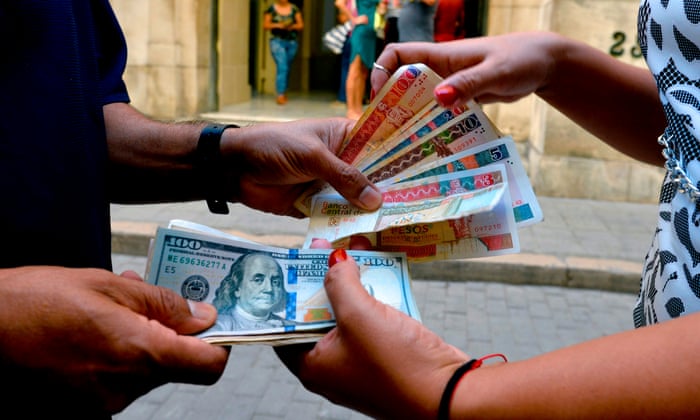
When Cuba legalised the US dollar in 1993, it created two parallel economies overnight. Tourists and Cuban elites had access to everything, while everyone else made do with pesos. The gap between those two worlds became the defining tension of the decade.
Introducing Jineterismo
Jineterismo (loosely, hustling) described the many ways Cubans navigated the tourist economy: guiding foreigners, selling cigars, offering companionship, entering relationships with a blurred line between connection and transaction. It was survival strategy, social reality, and moral grey area all at once.
:format(jpg)/f.elconfidencial.com%2Foriginal%2Fa33%2F3e5%2Fd9c%2Fa333e5d9c43de317bdd132ddd8295ef0.jpg)
Women Carried the Weight
The burden fell hardest on young Black Cuban women. They were often hyper-visible to tourists, more heavily policed, and caught between economic necessity and social stigma. The state cracked down on jineterismo while simultaneously depending on the tourism revenue that made it inevitable.
"El Temba" (La Charanga Habanera, 1996)
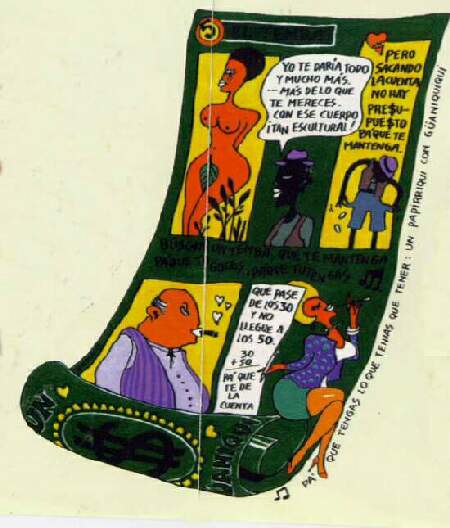
The song "El Temba" popularized a figure every Cuban understood: a temba, an older man with resources, who can provide what a young boy cannot. On the surface a simple love song, it really shows how, during the Special Period, access to dollars could shape relationships as much as romance.
"La Superturística" (La Charanga Habanera, 1996)
From the same album, "La Superturística" sketched the world of Cuban women who moved with fluency through tourist spaces, like hotels, clubs, and dollar shops. Where earlier representations cast these women as victims, timba often portrayed these women as active participants navigating the system with skill.
When Charanga Habanera Went Too Far
In July 1997, La Charanga Habanera performed their nightclub act on live national television at the Festival de la Juventud. After it, the government suspended them for six months. Even though the songs had been playing in clubs for years, putting that same performance in front of the whole country, unmediated, was seen as violation.

What the Songs Actually Did
Timba's lyrics were journalism set to music, a social chronicle with clave. They gave voice to experiences official Cuba preferred to leave unnarrated: the compromises, the calculations, the genuine feeling that could exist inside an unequal transaction. This is why timba is significant beyond the dancefloor.
Do you know of other songs that capture complexity of life in Cuba?
Share them below - we'd love to add them to our playlist!