What is "timba"?
Unlike salsa, timba is not a dance. Timba is not just "Cuban salsa"; it's a complex music genre born out of one of the most turbulent periods in Cuban history.
First, Where Salsa Comes From (1960s–1970s)
What we know as salsa wasn't born in Cuba. It emerged in New York, with Cuban and Puerto Rican migrants blending son with jazz. Cuba watched its own music become someone else's brand.

Revolutionary Cuba Cuts Itself Off (1960s–1980s)
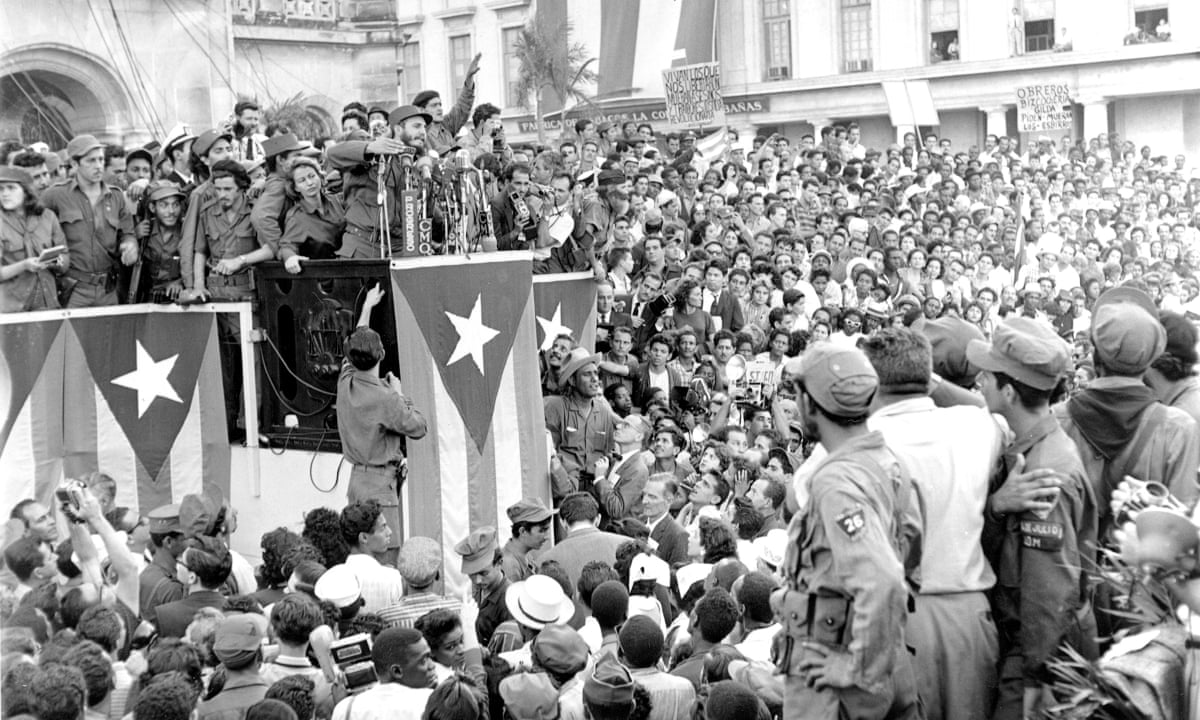
After 1959, US embargo and political isolation meant musicians in Cuba developed in a bubble. They didn't have access to the commercial salsa scene, royalties, or mainstream exposure abroad.
The Special Period Changes Everything (Early 1990s)
When the Soviet Union collapsed, Cuba's economy imploded. The "Special Period" brought food shortages, blackouts, crisis. Music became both an escape and a lifeline.

Timba Is Born From Necessity (1990s Havana)
In this pressure cooker, artists like NG La Banda and Issac Delgado forged something new: timba. Son's DNA, but faster, harmonically complex, with Afro-Cuban jazz and funk in its bloodstream.

Timba as a Marketing Term (1990s)
"Timba" was not only a genre name, it was also a survival strategy. By branding Cuban music as distinct from commercial salsa, Cuban artists could claim their own identity, attract tourists, and generate income on their own terms.
So What Actually Sounds Different?
Your usual salsa has two parts: a body and a montuno. Timba has many, with each gear shifting the energy and feel mid-song. In timba, each song has many layers, the tempo changes all the time. It's chaos on purpose.

Two Styles from the Same Root
Both salsa and timba descend from son montuno. Salsa is what happened when Cubans left. Timba is what happened when they stayed. Same roots planted in different soil led to distinct sounds.

What's your favourite timba song?
Drop it in the comments! We’ll add the best suggestions to our playlist.