Where did Cuban dance music actually start?
Salsa, timba, rumba…the music we dance to didn't appear out of thin air. It was forged over 500 years across oceans, cultures, and survival.
It Starts in Africa (1500s–1800s)
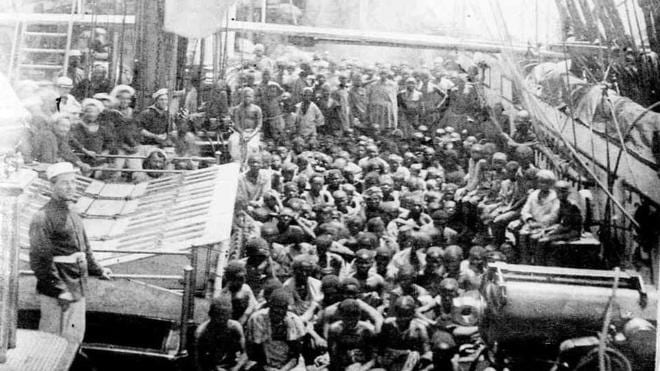
Spain colonized Cuba and imported enslaved Africans: Yoruba, Bantu, Arará peoples. They brought complex polyrhythmic drumming and musical traditions that became the spine of the Cuban music we love today.
But The Drums They Couldn't Kill (1800s)
However, colonial authorities banned African religious drumming. As a response, communities hid their rhythms inside Catholic ceremonies, and the music survived by being disguised.

When Two Traditions Meet (1800s)
Enslaved Africans encountered Spanish settlers' guitar music and song structures. We often speak about “African music” and “Spanish music” as separate things. Historically, though, the two merged in Cuba, bringing to life a completely new sound.

Son Montuno Emerges (Early 1900s)
In rural eastern Cuba, son montuno crystallized: African rhythm meets Spanish melody, built around a hypnotic call-and-response pattern called the montuno. This is the direct ancestor of salsa.

Son Montuno Travels (1920s–1950s)
Son moves to Havana: artists like Arsenio Rodríguez modernize it with big bands, trumpets, and percussion. From the 1930s, Cuban musicians like Machito carried these sounds to New York, spreading it internationally.
Revolution, Diaspora, and Salsa (1960s–1970s)
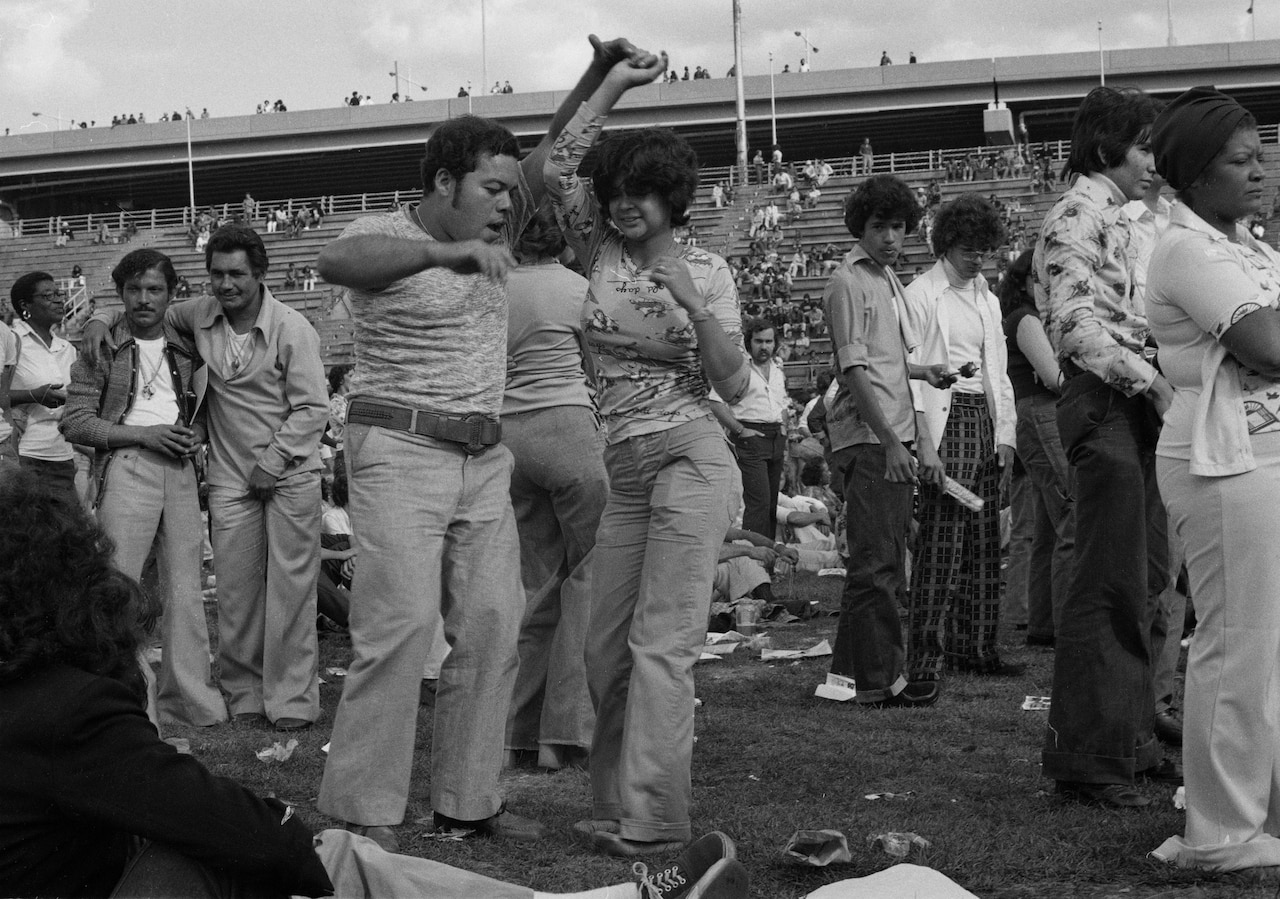
After 1959, the revolution creates a diaspora. Cubans flee the country, and musicians already in New York can no longer go back. Cuban and Puerto Rican musicians continued reshaping son, mambo, guaracha, and jazz. Eventually, this evolving sound became known as salsa.
Timba: Cuba Hits Back (1990s)
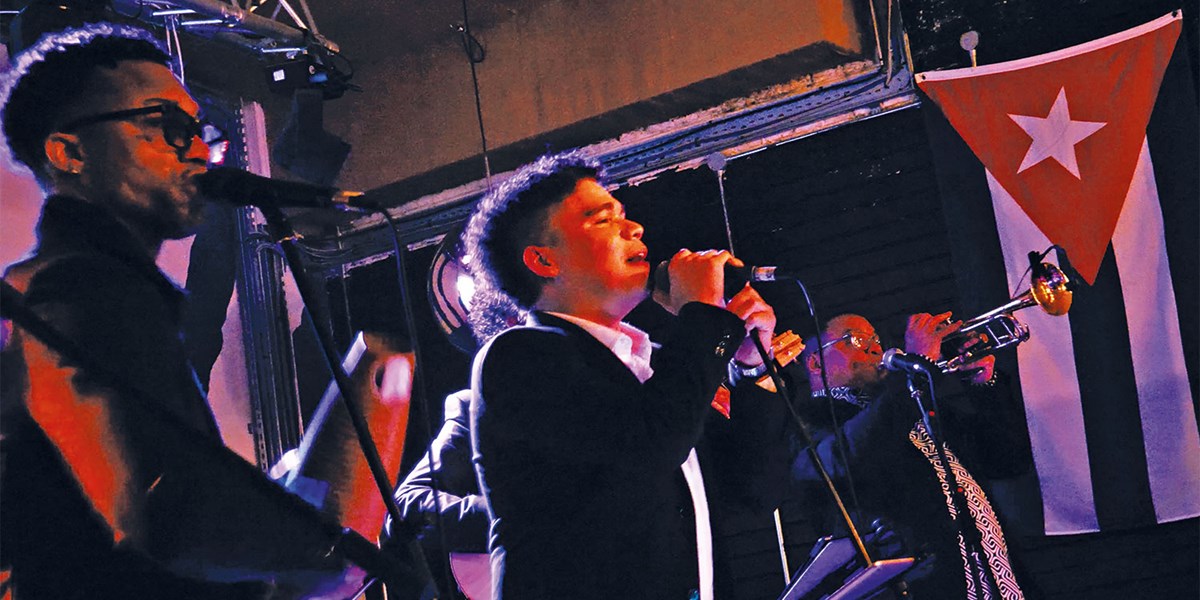
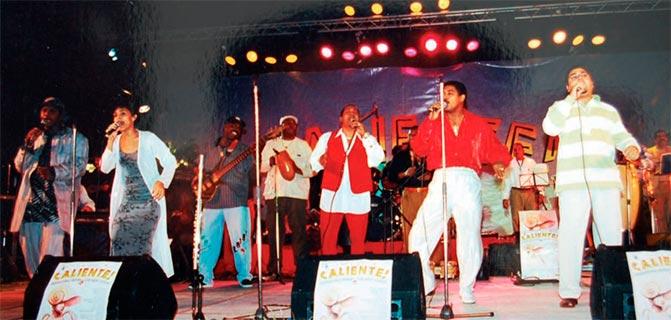
In 1990s Havana, a new generation creates timba, son's rebellious descendant. It’s faster, harmonically complex, politically charged. Cuba reclaims its own music.
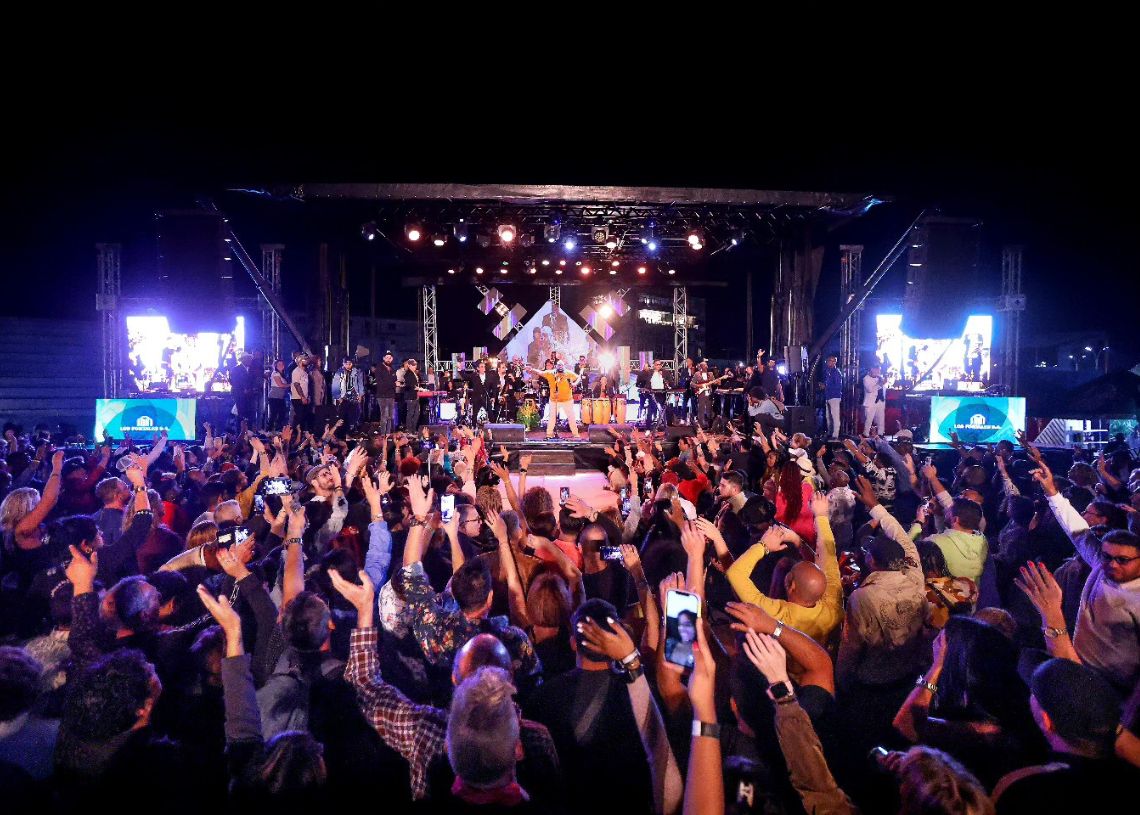
What part of Cuban music history do you want us to cover next?
Tell us in the comments!